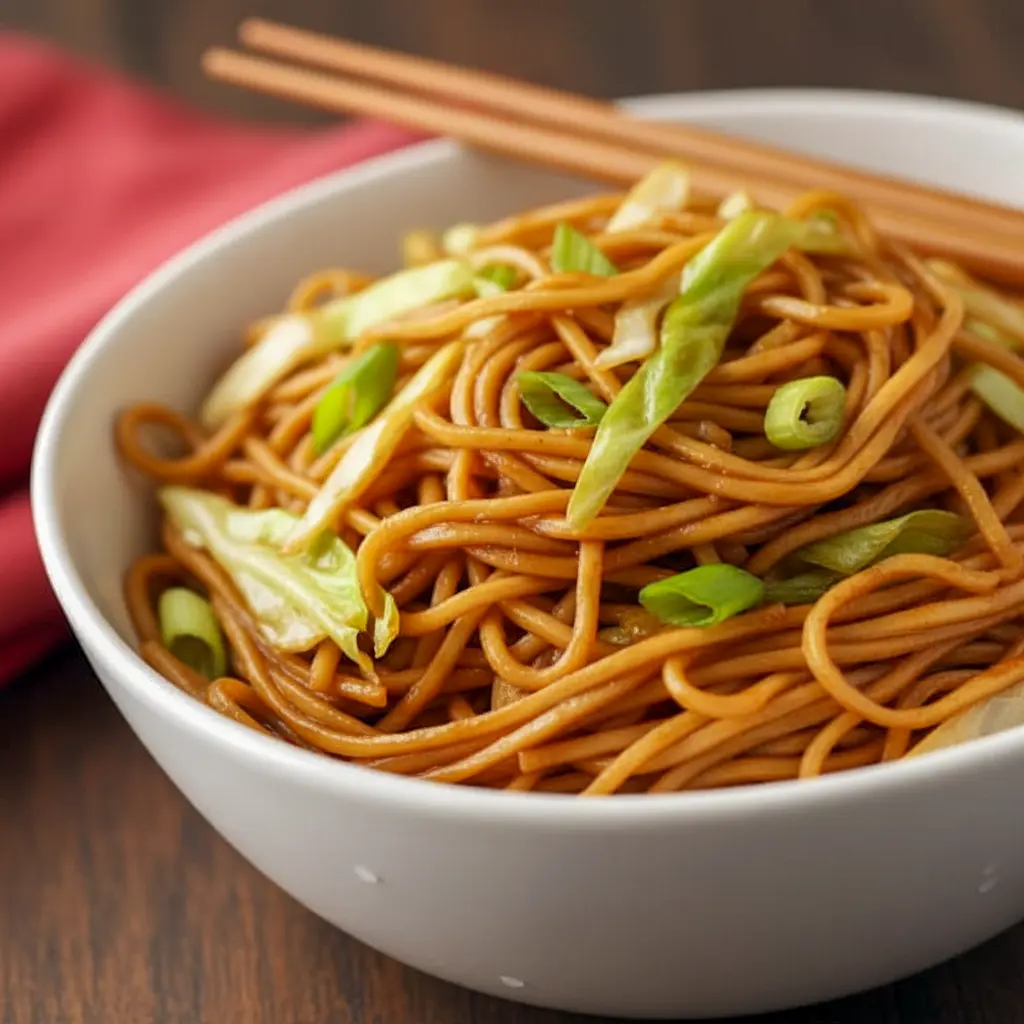
If you want to recreate Homemade Panda Express Chow Mein faster than ordering takeout, this is the recipe for you. Tender, bouncy egg noodles get tossed with crisp cabbage, crunchy celery, and sweet onions, all coated in a light, savory sauce that sings. It takes roughly 15 minutes, uses one pan, and beats the drive-thru on flavor and cost. Ready?
Table of Contents
Why you’ll love this recipe
Who doesn’t love a plate of chewy noodles loaded with veggies and umami? This version gives you everything you like about the original without the wait, the extra oil, or the mystery ingredient list.
- Fast and fuss-free — a true winner among Quick Chinese Food Recipes.
- Customizable — add protein or more veg depending on your mood.
- Healthier than takeout — I use less oil and more vegetables to loosen the noodles.
Bold tip: Prep everything ahead because stir-frying moves at lightning speed.
The Key Ingredients (and Why You Need Them)
Below I explain the core components for an authentic-feeling Panda Express Chow Mein Recipe and what each one brings to the pan. (No exact measurements here — check the recipe card below for amounts.)
- Fresh chow mein egg noodles — These yellow wheat-and-egg noodles deliver that classic chew. If you can’t find them, fresh yaki soba or fresh ramen noodles work as substitutes. Don’t use instant ramen.
- Cabbage — Green cabbage gives body and crunch without watering down the pan. Avoid napa; it releases too much liquid.
- Celery — Adds the signature snap and freshness you recognize in the chain version. Swap for bean sprouts or snap peas if you prefer.
- Onion — Sweetens the dish and carries the savory sauce. Sliced thin for quick softening.
- Garlic — For aromatics and depth. Use freshly minced for best flavor.
- Neutral high-smoke oil — Think avocado, grapeseed, peanut, or refined sunflower oil. These oils handle the heat without adding off-notes.
- Soy sauce (regular or low sodium) — The backbone of the sauce. Tamari or coconut aminos work if you need gluten-free.
- Oyster sauce — Adds umami and a silky sheen. Use vegetarian stir-fry sauce if you’re skipping seafood.
- Dark soy or a splash of dark sauce — For color and mild sweetness; optional but authentic.
- Sesame oil — A finishing ingredient to add that toasty, nutty note. Use sparingly.
- Chicken stock — Builds sauce volume and body. If you must, use water, but stock tastes better.
- Cornstarch — Thickens the sauce slightly so it clings to the noodles.
These pantry players make the Panda Express Chow Mein Ingredients list sing. If you plan to buy a few things at an Asian grocery, they’ll keep for multiple uses.
How to Make It
Follow this order and you’ll avoid watery noodles or limp vegetables. The process is quick — stay focused.
- Make the sauce. Whisk together soy sauce, oyster sauce, a touch of dark soy (if using), chicken stock, a little sesame oil, and a cornstarch slurry. Set aside. This is the core of your Chow Mein Recipe Panda Express flavor.
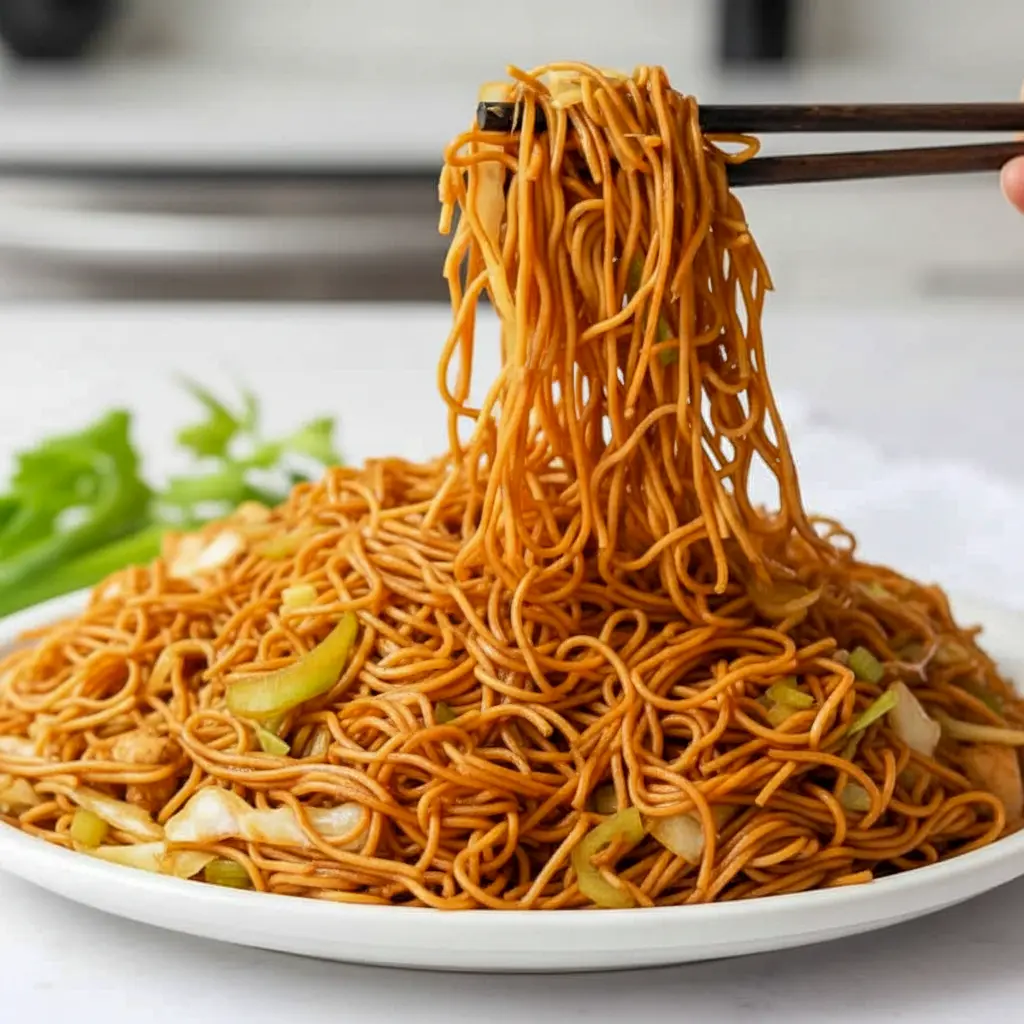
- Blanch the noodles briefly. Bring a large pot of water to a boil and dunk the fresh chow mein noodles for 20–30 seconds — just long enough to loosen them. Drain in a colander; do not rinse with cold water. You want surface starch and heat to help the sauce adhere.
- Prep and keep close. Slice cabbage into thin strips, chop celery, and slice the onion. Stir-frying waits for no one.
- Heat your pan. Add 1 tablespoon of high-smoke oil to a large skillet or wok over medium-high heat. Heat until shimmering.
- Cook the aromatics and veg. Add onions, cabbage, and celery. Stir-fry for about 1 minute until they soften but still hold snap. Push them to the pan edge.
- Add oil and noodles. Put a little more oil into the cleared center, add the drained noodles, then pour the prepared sauce over.
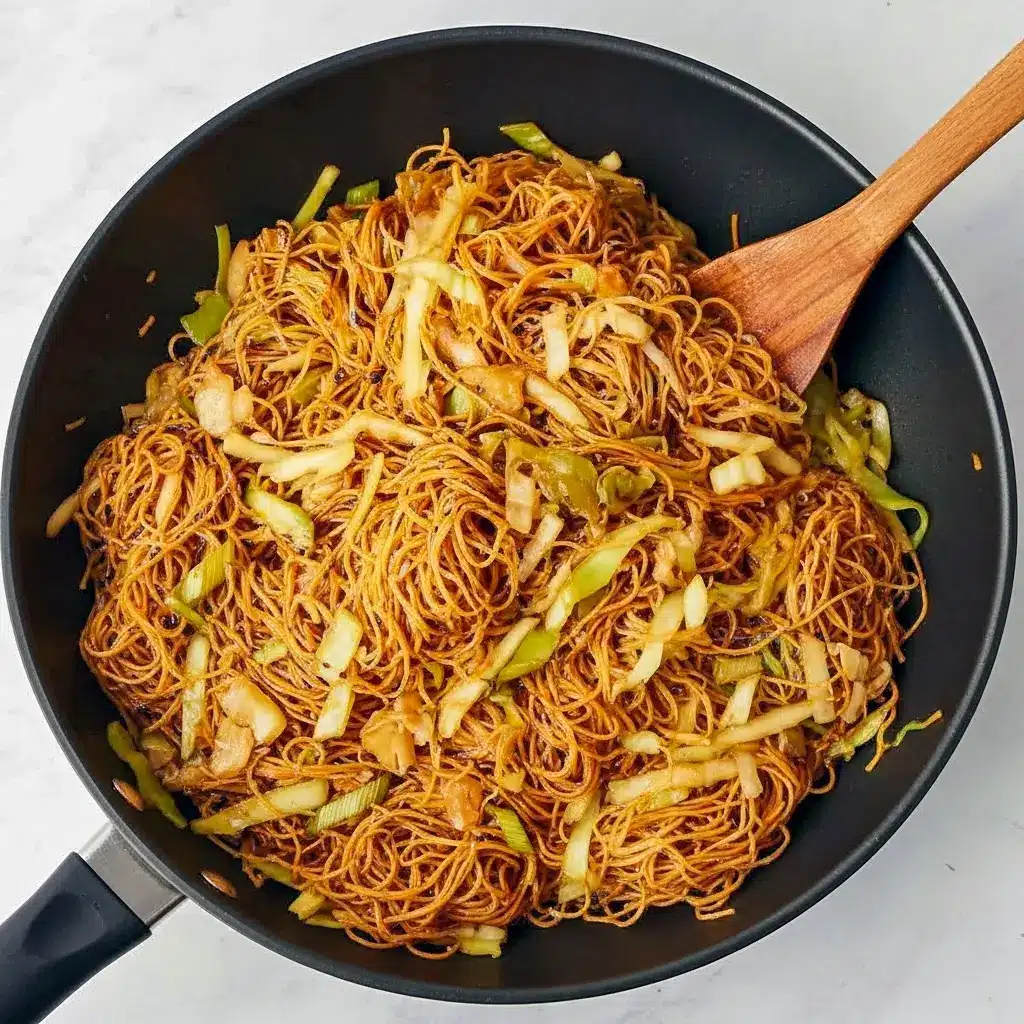
- Toss everything together. Use tongs or chopsticks to toss vegetables, noodles, and sauce until the noodles coat evenly and everything warms through — about 60–90 seconds. Do not over-stir — you want the noodles slightly dry, not soggy.
- Finish and serve. Remove from heat. Taste and adjust seasoning. Drizzle a few drops of sesame oil if desired, then plate immediately.
That’s it. You now know How To Make Panda Express Chow Mein at home with one pan and a few smart moves.
Pro tips for perfect results
- Prep first. Stir-frying is a sprint — have sauce, noodles, and vegetables ready.
- Blanch very briefly. Over-blanch and your noodles turn sloppy. 30 seconds max for fresh chow mein.
- Skip rinsing. Do not rinse noodles after blanching. The starch helps the sauce cling.
- High heat, small batches. Use the hottest safe setting and work in a roomy pan so ingredients sear, not steam.
- Control moisture. If your veg release water, increase heat and move noodles around to steam off excess liquid.
- Cornstarch finesse: Mix cornstarch with cold liquid first to avoid lumps when you add it to the sauce.
- Less oil, please. Use less than you’d get from takeout; toss the noodles mid-cook so they don’t soak in grease.
Bold tip: If you like more snap, add the celery near the end rather than at the start.
Variations to try
- Protein boost: Toss in pre-cooked shrimp, shredded rotisserie chicken, thinly sliced beef, or tofu for a fuller meal.
- Vegan version: Swap oyster sauce for mushroom stir-fry sauce and use vegetable stock. Finish with toasted sesame seeds for texture.
- Spicy twist: Add a spoon of chili garlic sauce or a drizzle of chili oil for heat.
- Garlic lovers: Double the garlic and add a splash of rice vinegar for brightness.
- Brown rice noodle alternative: Use wider rice noodles for a gluten-free-ish swap; adjust blanching time to the noodle type.
These riffs let you claim “homemade” while catering to preferences and pantry realities.
Best ways to serve
Pair your Homemade Panda Express Chow Mein with complementary dishes to make a full spread:
- Classic combo: Serve with Orange Chicken or General Tso’s for a takeout-style dinner.
- Lighter plate: Offer alongside steamed bok choy or garlic green beans.
- Soup & starters: Egg drop or hot-and-sour soup plus egg rolls or crab rangoons make great companions.
- Rice swap: Enjoy it over plain jasmine rice or fried rice if you want extra carbs.
Want a balanced weeknight dinner? Pair a modest portion of chow mein with a leafy salad and roasted protein.
Quick tips for storage and leftovers
- Refrigerate leftovers in an airtight container for up to 4 days. Reheat in a nonstick pan over medium heat — add a splash of water or stock to loosen the noodles.
- Freezing? Not recommended. Noodles and vegetables tend to go limp and watery after freezing and reheating.
- Make-ahead approach: You can prep the sauce and chop the veg a day ahead. Blanch the noodles just before cooking for best texture.
FAQ
What noodles should I use if I can’t find fresh chow mein?
Fresh yaki soba or fresh ramen work well. Avoid instant ramen or dried egg noodles unless you adjust cooking time and texture expectations.
Can I add protein to make it a main dish?
Yes. Add precooked or thinly sliced proteins at the toss stage so they warm through without overcooking.
How long does this take?
Once you’ve prepped everything, the actual cooking takes about 10–15 minutes — a true Quick Chinese Food Recipes win.
What makes Panda Express chow mein taste different from other chow mein?
The mild, slightly sweet, and lightly oily sauce plus the specific noodle texture and vegetable mix give it that recognizable profile. Using oyster sauce and a small amount of dark soy helps replicate the chain’s flavors.
Is this a true copycat?
This is a faithful Panda Express Copycat Chow Mein approach — it won’t be identical to the restaurant, but it captures the same balance of chew, veggie crunch, and savory sauce using pantry-friendly ingredients.
Final thoughts — wrap-up
This Chow Mein Recipe Panda Express style version proves that good Chinese food at home doesn’t require mystery sauces or complicated equipment. With fresh egg noodles, crisp vegetables, a simple sauce, and a hot pan, you get chewy, flavorful noodles in under 20 minutes. It’s a smart choice for busy nights, a frugal alternative to takeout, and a great base to customize with proteins or heat.
Craving the real thing? Try this Panda Express Chow Mein Recipe once and you may never wait for delivery again. Want a printable recipe card or a shopping list for your pantry run? Say the word — I’ll make one for you.
Follow me on Pinterest for daily new recipes.
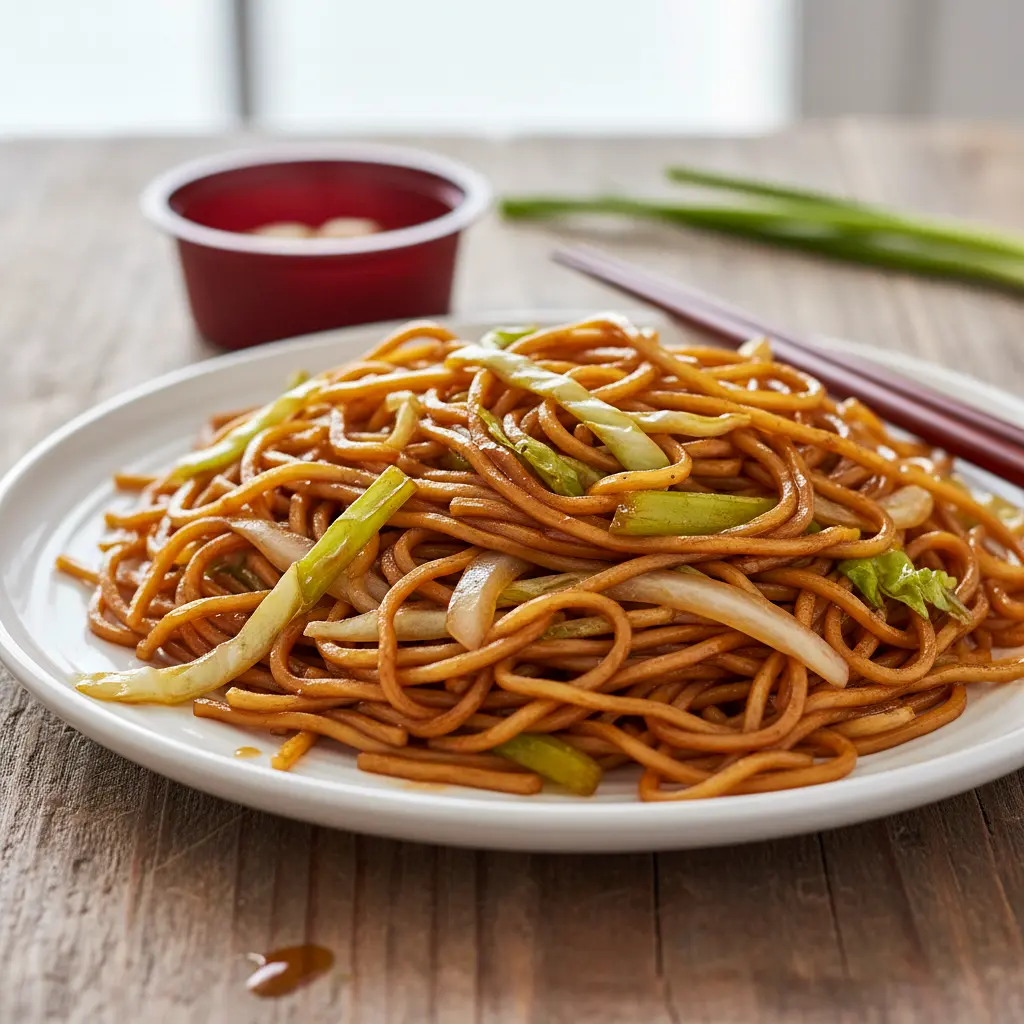
Homemade Panda Express Chow Mein — Faster Than Takeout
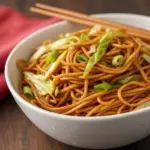
Bright, chewy egg noodles stir-fried with crisp cabbage, crunchy celery, and sweet onion—finished with a glossy, savory sauce. This one-pan chow mein comes together fast (about 15 minutes) and gives you that takeout vibe without the delivery fee.
- Prep Time: 10 minutes
- Cook Time: 5 minutes
- Total Time: 15 minutes
- Yield: 4 servings 1x
- Category: Dinner
- Cuisine: Chinese
Ingredients
- 1 lb fresh chow mein (yellow egg) noodles
- 2 cups green cabbage, thinly sliced
- 1 cup celery, cut on the bias
- 1 small yellow onion, thinly sliced
- 2 tbsp neutral oil (vegetable, peanut, grapeseed, etc.)
Sauce
- 2 tbsp regular soy sauce (or low-sodium)
- ½ tbsp dark soy sauce (optional for color/depth)
- 2 tbsp oyster sauce (or vegetarian stir-fry sauce)
- 1 tbsp sesame oil
- 2 garlic cloves, minced
- ¼ cup low-sodium chicken stock (or cold water)
- ½ tbsp cornstarch (or potato/tapioca starch)
Instructions
- Mix the sauce. Whisk together the soy sauces, oyster sauce, sesame oil, minced garlic, stock (or water), and cornstarch in a small bowl. Set aside so the starch can dissolve.
- Loosen the noodles. Bring a large pot of water to a boil. Briefly blanch the fresh chow mein for about 20–30 seconds, just until the strands separate. Drain well in a colander—do not rinse.
- Quick-fry the veg. Heat 1 tablespoon oil in a large wok or roomy skillet over medium-high heat. Add the onion, cabbage, and celery and stir for about one minute, just until they soften but still have crunch.
- Combine noodles and sauce. Push the vegetables to one side of the pan. Add the remaining oil to the cleared area, then add the drained noodles and pour the prepared sauce over top.
- Finish in the pan. Using tongs or a spatula, fold the veggies and noodles together so the sauce evenly coats everything. Cook another 60–90 seconds until the sauce thickens and the noodles are heated through. Remove from heat and serve right away.
Notes
- Quick Tips
- Prep before you heat the pan. Stir-frying happens quickly—have everything within reach.
- Don’t over-blanch. Fresh noodles only need a few seconds to loosen. Overcooking makes them mushy.
- Skip rinsing the noodles after draining; the surface starch helps the sauce cling.
- High heat is your friend. A hot pan gives better texture and avoids steaming the vegetables.
- Add protein (shrimp, cooked chicken, sliced beef, or tofu) when you toss everything together if you want a heartier main.
- Storage
- Keep leftovers in an airtight container in the refrigerator for up to 4 days. Rewarm gently in a skillet with a splash of water or stock to loosen the sauce. Freezing isn’t recommended—noodles and veg get soggy.
Nutrition
- Calories: 478kcal
- Sugar: 5g
- Sodium: 1632mg
- Fat: 6g
- Carbohydrates: 87g
- Fiber: 8g
- Protein: 19g
- Cholesterol: 0.5mg